There is a specific moment on every first flying lesson usually five minutes after takeoff, above the patchwork fields, when your instructor guides you through, takes their hands off the yoke, looks across at you, and says three words:
“You have control.”
Suddenly, you aren’t a passenger looking through a thick cabin window at 35,000 feet. You are sitting in the Captain’s seat of a real aircraft, the horizon is stretching out uninterrupted in front of you, and the aircraft responds to your fingertips. If you’ve ever wondered what it really feels like to swap the back row of an airliner for the front seat of a light aircraft, here is what awaits you on lesson number one.
1. Before You Even Take Off
You won’t be thrown straight into the deep end. Your experience begins in the clubhouse with a coffee and a one-on-one chat with your instructor.
Using a small model plane, your instructor will show you the three simple movements, pitch (nose up and down), roll (banking the wings), and yaw (swinging the nose with your feet) and how they give you total freedom in three dimensions. Then comes the walkaround. As you head out onto the sunlit apron to check the aircraft, you are guided through the pre-flight inspection.
2. Strap In
Climbing into the left-hand seat feels a bit like stepping into a sports car with wings. Every dial, switch, and throttle lever is within arm’s reach, and your instructor sits inches away on your right with a matching set of dual controls.
Once your harness is snug and your headset is on, your instructor will run through the start-up checklist, bring the engine to life, and request taxi clearance from the tower. As you taxi out to the runway, you’ll get your first feel for steering on the ground using the rudder pedals at your feet.
3. Takeoff
After a final set of engine checks at the runway holding point, it’s time to depart. Your instructor will usually handle the takeoff roll so you can enjoy the rush of acceleration and watch the ground drop away beneath you.
Once you level off at cruising altitude, the aircraft is yours.
Most beginners expect to stare nervously at a wall of gauges, only to discover the biggest secret in aviation: you fly by looking out the window. By lining the nose up against the horizon, you’ll guide the aircraft into smooth, sweeping turns, climb toward the clouds, and practice holding a steady course toward local landmarks.
4.Landing, Debrief, and Your First Logbook Entry
As you return to the airfield, your instructor will guide the aircraft back into the circuit and talk you through the final approach and landing. Depending on the conditions and how comfortable you feel, they may encourage you to keep a light hand on the controls so you can feel how subtle the adjustments are just before the wheels touch the runway.
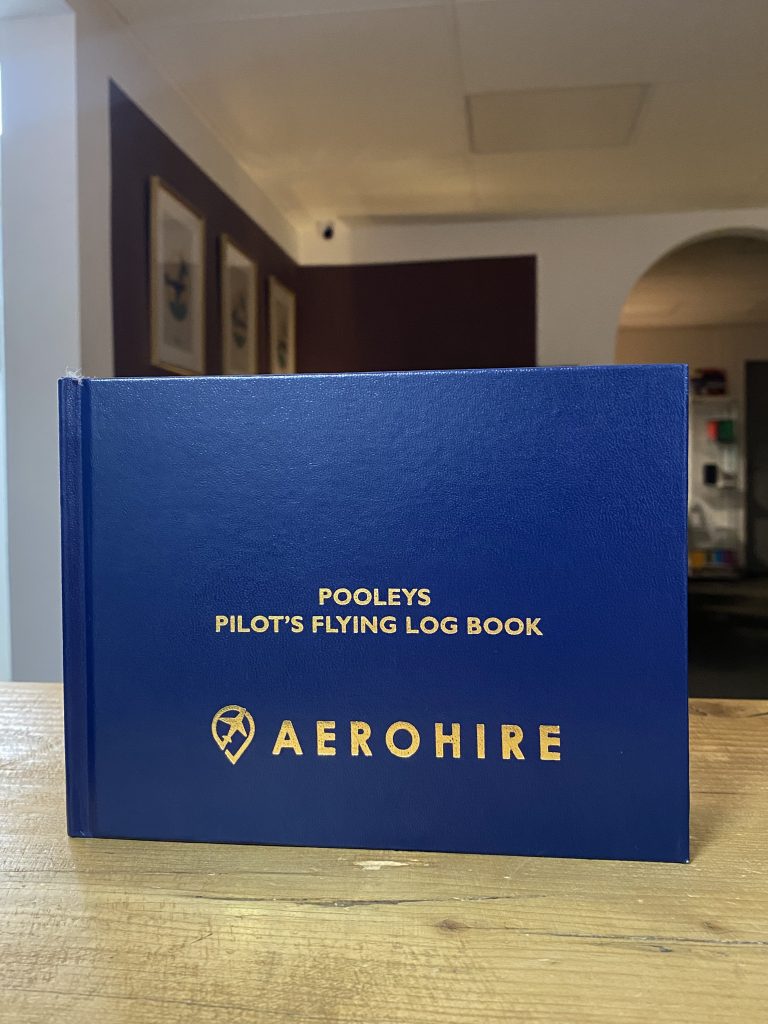
Back inside the clubhouse, you will wrap up with a short debrief to talk through how the flight went and ask any questions. Best of all, the flight counts toward a pilot’s license. You can walk away with your very first entry in a pilot’s logbook meaning your training has officially begun…