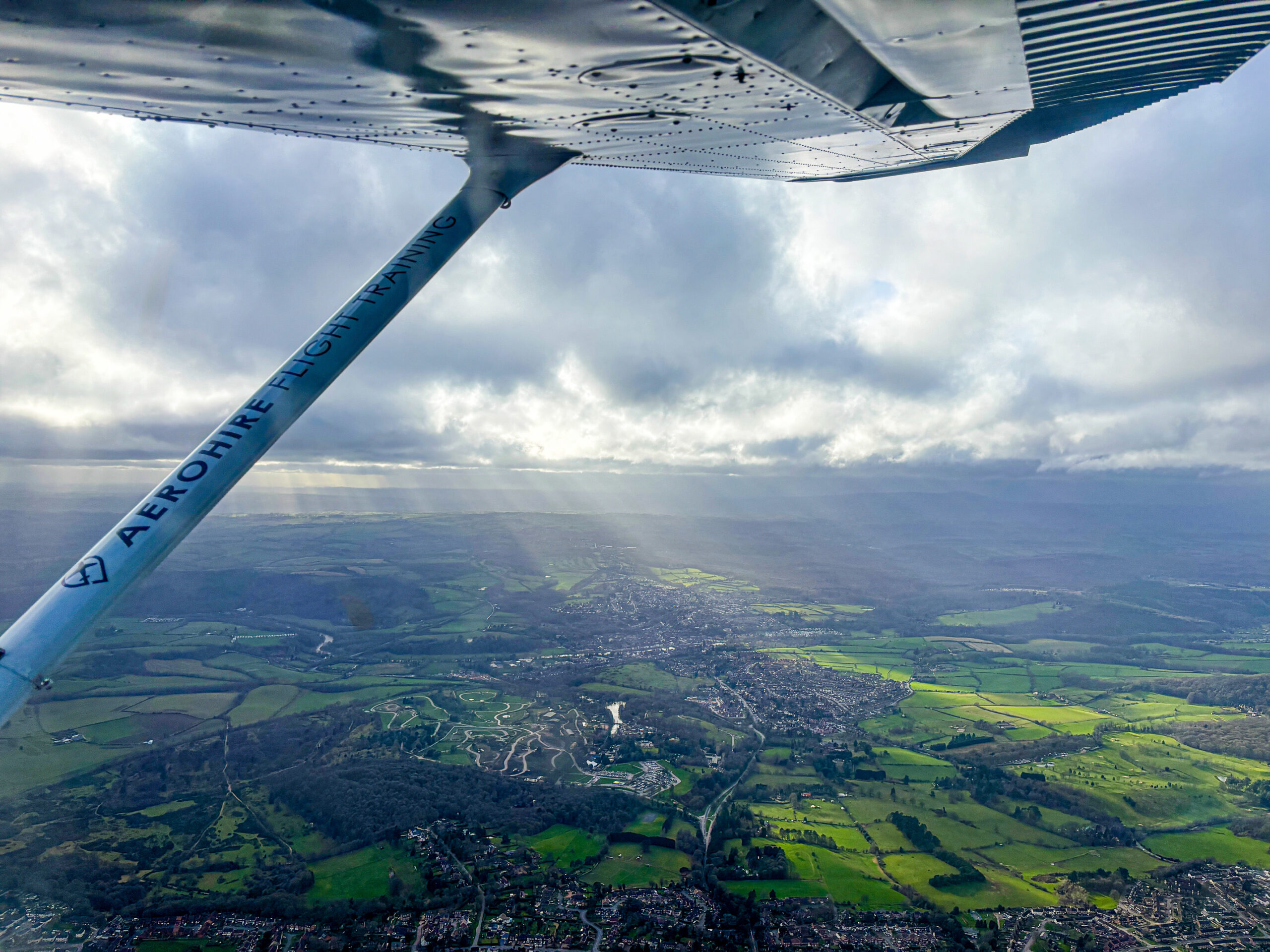
Taking your friends and family flying is one of the best things about flying. But it is also a big responsibility. Your passenger’s first experience in a light aircraft will shape their feelings for years to come, so it’s important to make it as enjoyable and memorable as possible. A smooth, well managed flight can turn them into aviation enthusiasts, and even inspire them to learn themselves. A stressful one will do the opposite.
Tour the Aircraft
Show your passengers both inside and outside. Show and explain the controls, instruments and safety features. Don’t overwhelm them with information, just make them feel included, and not intimidated by unfamiliar surroundings.
Give a Full, Proper Briefing
A good, full briefing is essential.
Show them how to adjust, fasten and release their seatbelt. How to operate the door, and how to adjust their headset. Explain how the radio works, and introduce the ‘sterile cockpit’ rule at appropriate phases of flight.
It is important to cover what to do if your passengers feel unwell. We recommend taking a sick bag with you just in case, but reassure them that it is completely normal to feel unwell. Encourage them to speak up first, and to look out of the window at a fixed point – out the front of the aircraft if possible. This helps reduce motion sickness.
Let them know how they can help. Ask them to look out for other aircraft, landmarks, or anything unusual. Not only does this increase safety, but this helps keep them involved. Often, talking about concerns makes them much easier to manage, for both Pilots and Passengers.
Fly Smoothly
What feels normal to you, may feel extreme to someone new flying.
Avoid steep turns, high G manoeuvres, stalls, or anything abrupt, unless necessary for safety. Keep the flight gentle and predictable, especially in the early stages.
Choose a day with calm weather. Smooth air, good visibility, and no precipitation will make a huge difference to the passenger’s comfort and enjoyment.
Explain What you’re Doing
Never assume your passenger understands what’s happening.
Talk them through what you are doing. Whether its a power change, a turn, or a decent, even a simple “You might feel us slow down a bit here as we descend” can make a huge difference. If you hit a sudden patch of turbulence, explain what happened, why it happened, and what you did to help with the situation – even if it is just riding it out.
Unexplained and unexpected sensations cause anxiety, but a quick explanation turns them into something normal and routine.
Final Thoughts
You first time taking passengers is not about showing off your flying skills, its about creating a safe, enjoyable, and calm experience.
If your passenger steps out smiling, and wanting to go up again in the future, you have done it right.
But remember, flying isn’t for everyone – if someone only wants to do it once, don’t take it as an insult to your skills. Respect and understand their decision, and move on. After all, you’re in a tin can being hurtled through the air at 100mph. When you put it like that, it doesn’t sound as fun as it really is.